
 Design Editor
Uncategorized
5 Types of T-Shirt Printing Methods
Have you ever wondered how your favorite graphic tees come to life? 🤔 The world of t-shirt printing is a fascinating blend of art and technology, offering a myriad of methods to transform plain fabrics into wearable masterpieces. Whether you’re a fashion enthusiast, a budding entrepreneur, or simply curious about the clothes on your back, understanding these techniques can open up a whole new perspective on your wardrobe.
From the classic screen printing method that’s stood the test of time to cutting-edge digital processes that push the boundaries of design, the t-shirt printing industry has something for everyone. Each technique brings its own unique flair to the table, allowing for different textures, colors, and effects that can make or break a design. 👕✨
In this blog post, we’ll dive into the five most popular t-shirt printing methods, exploring their strengths, limitations, and ideal use cases. Whether you’re looking to create custom tees for your business, design personalized gifts, or simply expand your fashion knowledge, you’re in for a treat. Let’s unravel the secrets behind screen printing, direct-to-garment printing, heat transfer, dye sublimation, and embroidery – and discover which method might be perfect for your next project!

Screen Printing: The Classic Method
Screen printing, often referred to as silk screening, has been a staple in the t-shirt printing industry for decades. This time-tested method continues to be popular due to its versatility, durability, and cost-effectiveness for large-scale production.
How it works
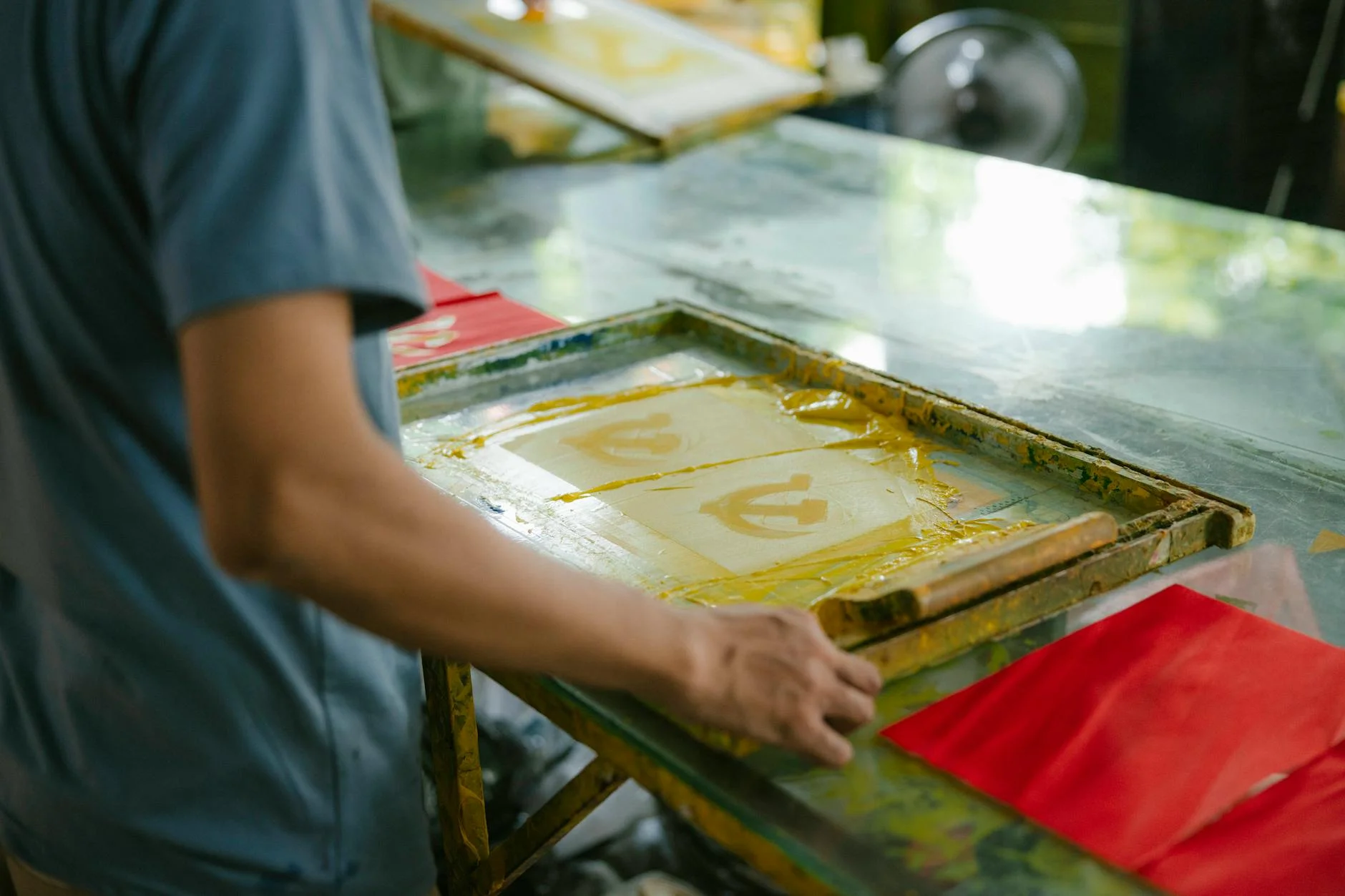
Screen printing involves creating a stencil (called a screen) for each color in the design. The process follows these steps:
- Design preparation
- Screen creation
- Ink application
- Drying and curing
A fine mesh screen is coated with a light-sensitive emulsion, and the design is burned onto it using UV light. The ink is then pushed through the open areas of the screen onto the t-shirt fabric using a squeegee. This process is repeated for each color in the design.
Cost-effectiveness for large quantities
One of the main advantages of screen printing is its cost-effectiveness for bulk orders. Here’s a comparison of costs for different order sizes:
| Order Size | Cost per Shirt |
|---|---|
| 1-24 | $10-$15 |
| 25-99 | $6-$9 |
| 100-499 | $4-$6 |
| 500+ | $2-$4 |
As you can see, the cost per shirt decreases significantly as the order size increases. This makes screen printing an excellent choice for large events, promotional campaigns, or uniform orders.
Durability and vibrancy
Screen printed designs are known for their durability and vibrant colors. The ink used in screen printing is thicker than other methods, resulting in:
- Long-lasting prints that withstand multiple washes
- Bright, bold colors that stand out
- A slightly raised feel to the design, adding texture
These qualities make screen printed t-shirts ideal for designs that need to maintain their appearance over time, such as band merchandise or sports team uniforms.
Ideal for bulk orders
Screen printing shines when it comes to bulk orders due to several factors:
- Efficiency: Once the screens are set up, printing multiple shirts becomes a quick and streamlined process.
- Consistency: Each print will be identical, ensuring uniformity across large batches.
- Color matching: Screen printing allows for precise color matching, which is crucial for brand consistency in corporate orders.
For businesses or organizations needing a large number of identical shirts, screen printing offers the best balance of quality, durability, and cost-effectiveness.
Now that we’ve explored the classic method of screen printing, let’s move on to a more modern approach: Direct-to-Garment (DTG) printing, which offers its own unique advantages for certain types of designs and order sizes.

Direct-to-Garment (DTG) Printing: Digital Precision
Now that we’ve explored screen printing, let’s delve into a more modern approach to T-shirt printing: Direct-to-Garment (DTG) printing. This innovative method offers a range of benefits that make it increasingly popular among both businesses and individual creators.
A. Eco-friendly option
DTG printing stands out as an environmentally conscious choice in the world of T-shirt production. Unlike traditional methods that often involve harsh chemicals and excessive water usage, DTG utilizes water-based inks that are less harmful to the environment. This process also minimizes waste, as it only uses the exact amount of ink needed for each design, reducing overall resource consumption.
B. Quick turnaround times
One of the most significant advantages of DTG printing is its speed. The digital nature of this process allows for rapid production, making it ideal for businesses that need to fulfill orders quickly. Here’s a comparison of average turnaround times:
| Printing Method | Average Turnaround Time |
|---|---|
| DTG Printing | 24-48 hours |
| Screen Printing | 5-7 days |
| Heat Transfer | 2-3 days |
C. Perfect for small batches
DTG printing excels when it comes to producing small quantities of custom T-shirts. Unlike screen printing, which requires setup costs that can make small runs expensive, DTG has no minimum order requirements. This makes it an excellent choice for:
- Personalized gifts
- Limited edition merchandise
- Test marketing new designs
- Small business startups
D. High-quality, detailed designs
The digital precision of DTG printing allows for incredibly detailed and vibrant designs. This method can reproduce:
- Photorealistic images
- Complex gradients
- Fine lines and text
- Full-color designs with unlimited color options
The result is a high-quality print that looks crisp and feels soft to the touch, as the ink is absorbed directly into the fabric rather than sitting on top of it.
With its eco-friendly nature, quick turnaround times, suitability for small batches, and ability to produce high-quality detailed designs, DTG printing offers a versatile solution for modern T-shirt production needs. Next, we’ll explore another popular method that combines aspects of both digital and traditional printing: heat transfer printing.
Heat Transfer Printing: Versatile and Accessible
Now that we’ve explored digital precision with DTG printing, let’s dive into another popular method: heat transfer printing. This technique offers versatility and accessibility for both small businesses and DIY enthusiasts.
A. Great for custom, small-batch orders
Heat transfer printing shines when it comes to creating custom, small-batch orders. This method allows for:
- Quick turnaround times
- Low minimum order quantities
- Easy customization for individual designs
Whether you’re starting a small t-shirt business or need personalized shirts for a family reunion, heat transfer printing offers flexibility that other methods may lack.
B. Wide range of fabric compatibility
One of the biggest advantages of heat transfer printing is its compatibility with various fabric types. Here’s a comparison of common fabrics and their suitability for heat transfer:
| Fabric Type | Compatibility | Notes |
|---|---|---|
| Cotton | Excellent | Ideal for most transfer types |
| Polyester | Good | Works well with sublimation transfers |
| Blends | Very Good | Versatile for different transfer methods |
| Nylon | Fair | Requires special low-temperature transfers |
| Leather | Good | Use specific leather-friendly transfers |
This versatility makes heat transfer printing a go-to choice for businesses that work with diverse fabric types.
C. Various transfer types (vinyl, plastisol, sublimation)
Heat transfer printing encompasses several subtypes, each with its own unique characteristics:
- Vinyl transfers:
- Ideal for simple designs and text
- Durable and long-lasting
- Great for athletic wear and team uniforms
- Plastisol transfers:
- Perfect for intricate, multi-color designs
- Soft hand-feel, similar to screen printing
- Suitable for both light and dark fabrics
- Sublimation transfers:
- Produces vibrant, full-color designs
- Works best on white or light-colored polyester fabrics
- Allows for edge-to-edge printing
These different transfer types allow for a wide range of design possibilities, catering to various aesthetic preferences and functional requirements.
Heat transfer printing’s versatility, accessibility, and range of options make it an excellent choice for businesses of all sizes. Whether you’re creating custom team jerseys, promotional items, or fashion-forward graphic tees, this method offers the flexibility to bring your designs to life. As we move forward, we’ll explore another exciting printing technique that takes full-color designs to the next level.

Dye Sublimation: Vibrant All-Over Prints
Now that we’ve explored heat transfer printing, let’s dive into another exciting t-shirt printing method: dye sublimation. This technique offers vibrant, long-lasting results that are perfect for creating eye-catching designs.
Long-lasting, fade-resistant prints
One of the most significant advantages of dye sublimation is its ability to produce prints that stand the test of time. Unlike some other printing methods, dye sublimation creates designs that are:
- Resistant to fading
- Durable through multiple washes
- Less likely to crack or peel
This longevity is due to the unique process that embeds the dye directly into the fabric, rather than simply applying it to the surface.
Photorealistic results
Dye sublimation excels at producing highly detailed, photorealistic images. This makes it an excellent choice for:
- Complex designs
- Photographs
- Gradients and color blends
The ability to achieve such intricate results sets dye sublimation apart from many other t-shirt printing methods.
Best for polyester fabrics
While dye sublimation offers exceptional results, it’s important to note that it works best on polyester fabrics. Here’s a quick comparison of fabric suitability for dye sublimation:
| Fabric Type | Suitability for Dye Sublimation |
|---|---|
| Polyester | Excellent |
| Poly-blend | Good (depending on % polyester) |
| Cotton | Poor |
| Nylon | Poor |
The synthetic nature of polyester allows it to bond effectively with the dye, resulting in vibrant, long-lasting prints.
How the process works
The dye sublimation process involves several steps:
- Design creation: The image is first created digitally.
- Printing on transfer paper: The design is printed onto special transfer paper using sublimation inks.
- Heat press application: The transfer paper is placed on the fabric and subjected to high heat and pressure.
- Dye gasification: The heat causes the dye to turn into a gas.
- Bonding with fabric: As the dye cools, it bonds with the polyester fibers at a molecular level.
This unique process allows for all-over prints, meaning you can cover the entire surface of the t-shirt with your design, creating truly stunning and immersive visual effects.
As we move forward, we’ll explore our final t-shirt printing method, which adds a whole new dimension to garment decoration.

Embroidery: Adding Texture and Dimension
Now that we’ve explored various printing methods, let’s dive into embroidery, a technique that adds a unique touch to t-shirts by incorporating texture and dimension.
Premium Feel and Perceived Value
Embroidery elevates the perceived value of a t-shirt, giving it a premium feel that sets it apart from standard printed designs. The raised, textured nature of embroidered elements creates a tactile experience that customers often associate with higher quality and craftsmanship. This perception can justify higher price points for embroidered apparel, making it an attractive option for brands looking to position themselves in the premium market.
Limitations in Design Complexity
While embroidery offers a luxurious finish, it does come with some design limitations:
- Detail Level: Fine details can be challenging to reproduce accurately
- Color Blending: Gradients and subtle color transitions are difficult to achieve
- Size Constraints: Very small text or intricate patterns may not be feasible
Despite these constraints, skilled embroiderers can create impressive designs within these limitations, often resulting in clean, bold, and impactful logos or patterns.
Ideal for Logos and Branding
Embroidery shines when it comes to showcasing logos and branding elements on t-shirts. Here’s why it’s particularly effective:
- Durability: Embroidered logos withstand numerous washes without fading
- Professionalism: Adds a polished look to corporate or team apparel
- Visibility: Raised design elements catch the eye more easily
- Versatility: Works well on various fabric types and colors
| Aspect | Benefit for Branding |
|---|---|
| Longevity | Maintains brand visibility over time |
| Texture | Creates a memorable tactile brand experience |
| Prestige | Associates the brand with quality and attention to detail |
Durability and Professional Look
One of the most significant advantages of embroidery is its exceptional durability. Unlike some printing methods that may crack or peel over time, embroidered designs are firmly stitched into the fabric, ensuring they last as long as the garment itself. This longevity makes embroidered t-shirts an excellent choice for:
- Corporate uniforms
- Sports team apparel
- High-end promotional merchandise
- Workwear in demanding environments
The professional appearance of embroidery also lends itself well to industries where a polished image is crucial. The raised, textured design conveys a sense of permanence and investment, which can reinforce brand values and create a strong impression on clients and customers.
As we move forward, consider how embroidery might complement or enhance your t-shirt designs, especially when aiming for a more upscale or enduring aesthetic.
Conclusion T-Shirt Printing Methods

T-shirt printing has come a long way, offering a wide range of methods to suit different needs and preferences. From the traditional screen printing technique to the modern direct-to-garment approach, each method has its unique advantages. Heat transfer printing provides versatility, while dye sublimation offers vibrant all-over prints. For those seeking texture and dimension, embroidery remains a popular choice.
When choosing a T-Shirt Printing Methods, consider factors such as design complexity, quantity needed, and desired durability. Whether you’re creating custom shirts for personal use, promotional events, or retail, understanding these printing techniques will help you make an informed decision and achieve the best results for your project.

 Design Editor